
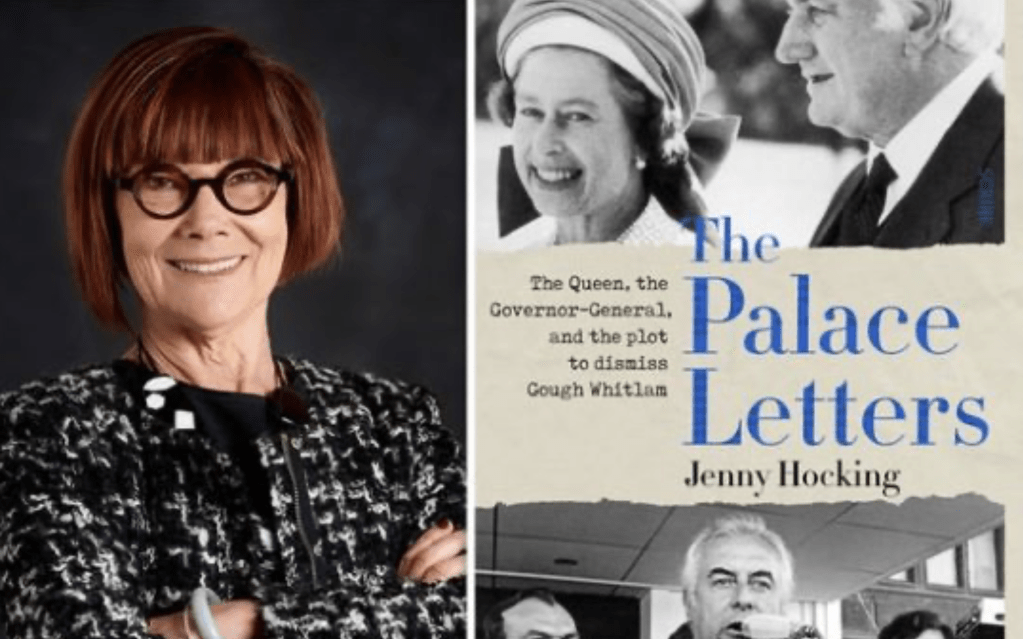
DOCUMENTARY | AUSTRALIAN HISTORY. The Search For The Palace Letters (2023) by historian Jenny Hocking, directed by Daryl Dellora | Available on ABC iView. “This remarkable documentary tells the story of Professor Jenny Hocking, the historian who took on the Australian Government and HM Queen Elizabeth II in a landmark legal battle – and won.”—ABC
“The Search For The Palace Letters follows the personal struggle of historian Professor Jenny Hocking as she fights an epic battle against the Australian Government, the National Archives, and the British Royal Family in a landmark self-funded legal action. At stake is whether letters between former Governor-General Sir John Kerr and HM Queen Elizabeth II, written at the time of the constitutional crisis of 1975, are deemed private correspondence and therefore remain closed, or official documents that should be accessible to the Australian people under the terms of the Archives Act (1983). Running for many years, the Palace Letters case* resulted in a stunning High Court victory and opened the secret archives on the Palace’s role in Kerr’s unprecedented dismissal of the Whitlam Government and set a powerful precedent overturning Royal Secrecy and enabling Australians to know their own history.”—palaceletters.com
This Is Water
David Foster Wallace
“David Foster Wallace‘s 2005 commencement speech to the graduating class at Kenyon College is a timeless trove of wisdom — right up there with Hunter Thompson on finding your purpose. The speech was made into a thin book titled This Is Water: Some Thoughts, Delivered on a Significant Occasion, about Living a Compassionate Life.”—fs
Greetings parents and congratulations to Kenyon’s graduating class of 2005. There are these two young fish swimming along and they happen to meet an older fish swimming the other way, who nods at them and says “Morning, boys. How’s the water?” And the two young fish swim on for a bit, and then eventually one of them looks over at the other and goes “What the hell is water?”
This is a standard requirement of US commencement speeches, the deployment of didactic little parable-ish stories. The story thing turns out to be one of the better, less bullshitty conventions of the genre, but if you’re worried that I plan to present myself here as the wise, older fish explaining what water is to you younger fish, please don’t be. I am not the wise old fish. The point of the fish story is merely that the most obvious, important realities are often the ones that are hardest to see and talk about. Stated as an English sentence, of course, this is just a banal platitude, but the fact is that in the day to day trenches of adult existence, banal platitudes can have a life or death importance, or so I wish to suggest to you on this dry and lovely morning.
Of course the main requirement of speeches like this is that I’m supposed to talk about your liberal arts education’s meaning, to try to explain why the degree you are about to receive has actual human value instead of just a material payoff. So let’s talk about the single most pervasive cliché in the commencement speech genre, which is that a liberal arts education is not so much about filling you up with knowledge as it is about “teaching you how to think.” If you’re like me as a student, you’ve never liked hearing this, and you tend to feel a bit insulted by the claim that you needed anybody to teach you how to think, since the fact that you even got admitted to a college this good seems like proof that you already know how to think.
But I’m going to posit to you that the liberal arts cliché turns out not to be insulting at all, because the really significant education in thinking that we’re supposed to get in a place like this isn’t really about the capacity to think, but rather about the choice of what to think about. If your total freedom of choice regarding what to think about seems too obvious to waste time discussing, I’d ask you to think about fish and water, and to bracket for just a few minutes your scepticism about the value of the totally obvious.—David Foster Wallace
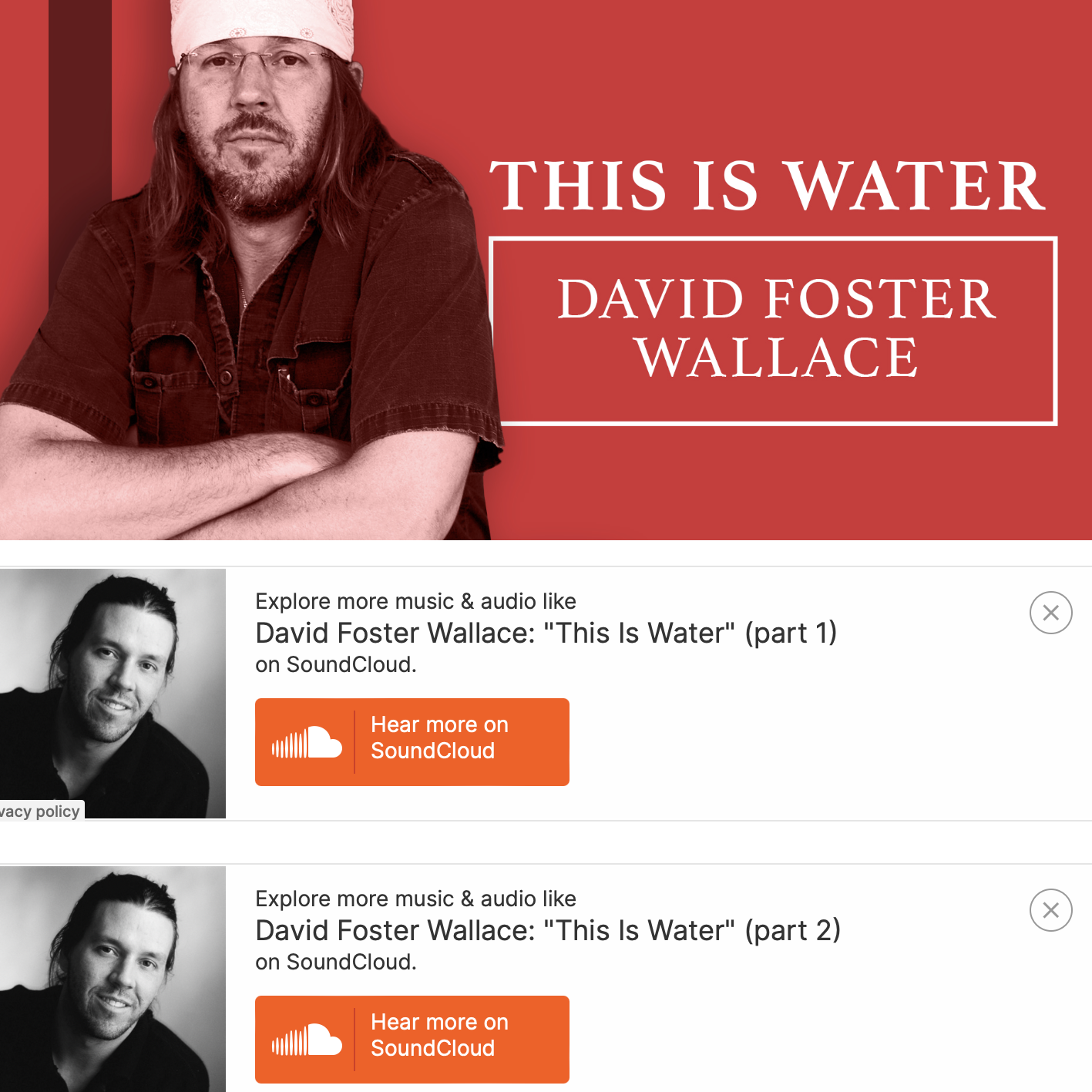
This Is Water (2005) by David Foster Wallace (Full Transcript and Audio) | Farnam Street
“David Foster Wallace (February 21, 1962 – September 12, 2008) was an American novelist, short story writer, essayist, and university professor of English and creative writing. Wallace’s 1996 novel Infinite Jest was cited by Time magazine as one of the 100 best English-language novels from 1923 to 2005. His posthumous novel, The Pale King (2011), was a finalist for the Pulitzer Prize for Fiction in 2012. The Los Angeles Times’s David Ulin called Wallace “one of the most influential and innovative writers of the last twenty years”.
“Wallace grew up in Illinois and attended Amherst College. He taught English at Emerson College, Illinois State University, and Pomona College. After struggling with depression for many years, he died by suicide in 2008, at age 46.”—Wikipedia
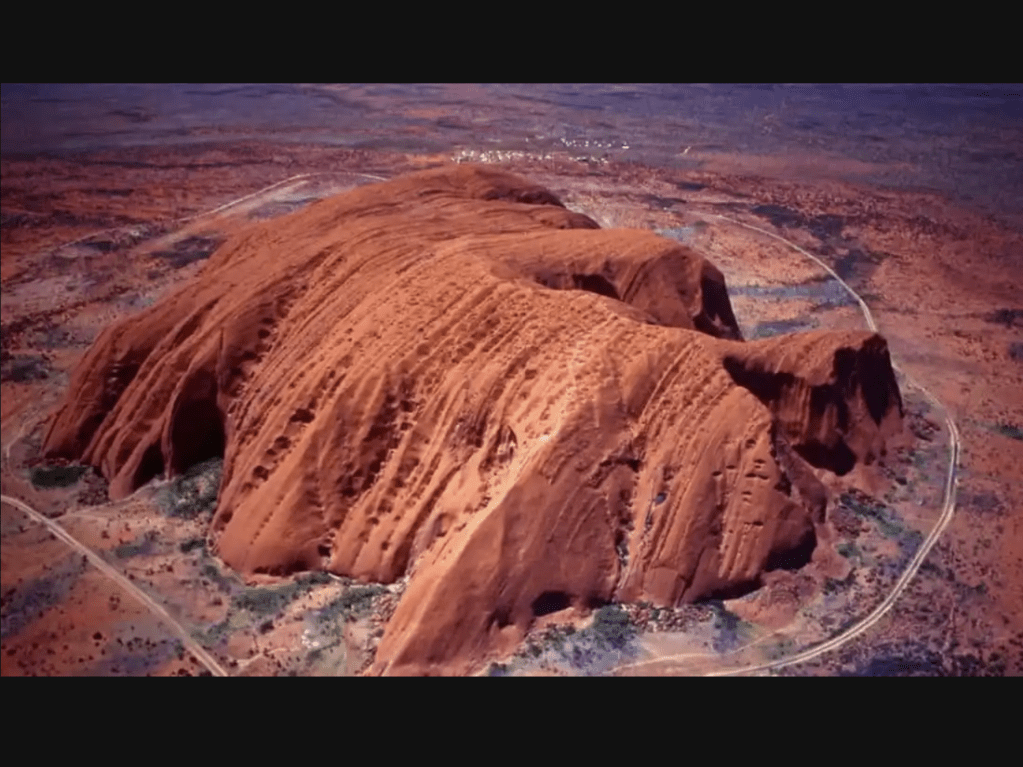
Staying True To Uluru
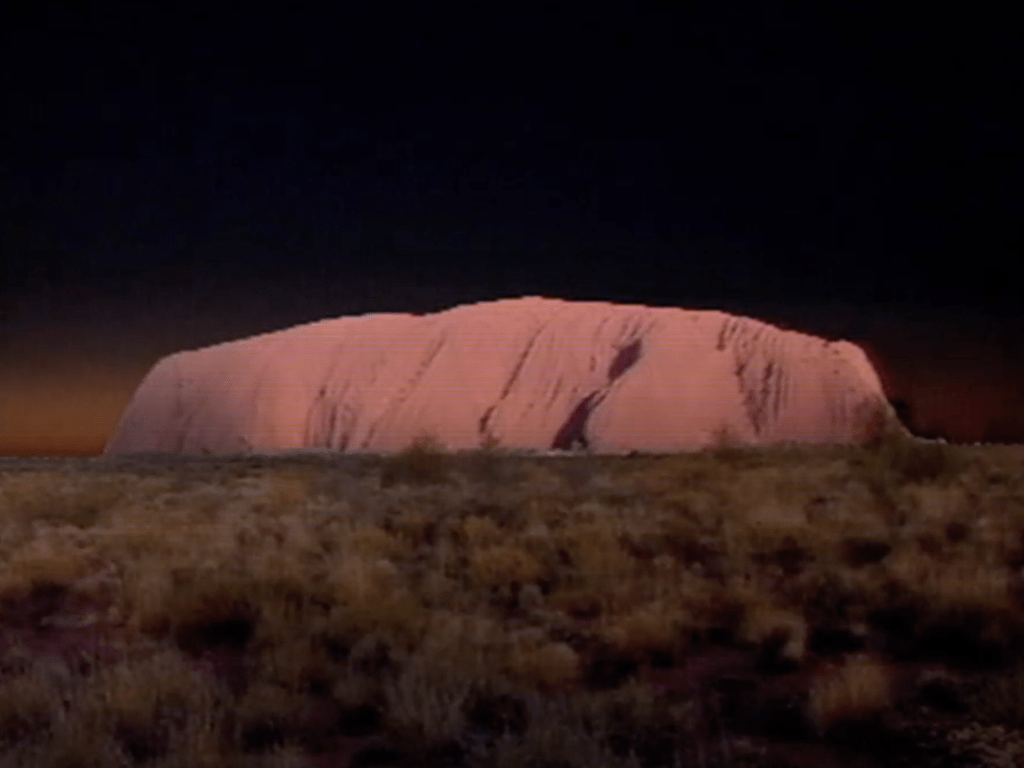
On the eve of the first-year anniversary of the 2023 Indigenous Voice Referendum (Sunday, October 13) Indigenous leaders and elders, during a video conference, underscored the significance of the Yes vote despite the heartbreaking result of the referendum.
They are, more particularly, calling upon the 6.2+ million Australians who voted Yes to stay true to Uluru.
Take Heart!
The Yes vote was more than 6.2 million: 39.9% of all legal votes. Two of five Australians supported an Aboriginal and Torres Strait Islander Voice To Parliament enshrined in the Australian Constitution. If the question put to the Australian people did not include the proposed Voice To Parliament—if it were solely about recognition—the Yes vote would have outnumbered the No vote five-to-one.*** Further, had the leaders of the National and Liberal parties supported the referendum instead of being divisive, actively wielding strident disinformation campaigns with Murdoch media company News Corp Australia (Sky News Australia, Foxtel and Brisbane Broncos are subsidiaries), we would have had a very different result.
Gerome Villarete
17 October 2024
***Detailed analysis of the 2023 Voice to Parliament Referendum and related social and political attitudes | ANU Centre for Social Research and Methods | Professor Nicholas Biddle, Professor Matthew Gray, Professor Ian McAllister, and Professor Matt Qvortrup (28 November 2023)

Imagine for a moment the vast expanse of the cosmos, an endless sea of darkness stretching far beyond our sight. And in this infinite night, a single beacon of hope rises every morning.
The sun.
It’s more than just a star; it’s a symbol of life, energy, and unyielding perseverance.
The sun.
The Sun doesn’t ask for permission to shine. It doesn’t falter in the face of the night. Every dawn, it ignites the sky with its brilliance, painting the world in shades of gold and warmth. It reminds us that no matter how dark the night, the light will always return.
Think about the journey of the Sun. Feel the sun’s rhythm pulse through! Let its energy surge in your veins. Each beat is a heartbeat of the universe! A reminder of the unstoppable force within you. Like the Sun, you possess an incredible power to illuminate, to inspire, to transform. This light is yours. Embrace it, dance with it, For within you burns the same fire that fuels the Sun! It rises and falls, faces storms and eclipses, yet it never gives up. This is your journey too! There will be moments of darkness, challenges that seem insurmountable, but remember:
The Sun rises, and so will you!
So rise, shine, and let your light be a beacon for others. Just like the Sun, you have the power to bring warmth and hope to the world. And remember, no matter how long or dark the night may seem,
The Dawn will always come.
The quote below is from Barack Obama’s remarks in Eulogy for Clementa Carlos Pinckney, who was one of the nine people killed in the Charleston church shooting [more fittingly massacre or mass murder] in 2015. Barack Obama cited writer Marilynne Robinson, Pulitzer Prize for Fiction in 2005.
An Open Heart
That’s what I’ve felt this week — an open heart. That, more than any particular policy or analysis, is what’s called upon right now, I think — what a friend of mine, the writer Marilynne Robinson, calls “that reservoir of goodness, beyond, and of another kind, that we are able to do each other in the ordinary cause of things.”
“That reservoir of goodness. If we can find that grace, anything is possible.”
—Barack Obama
Pinckney was killed on the night of June 17, 2015, in the Charleston church where he was the pastor. He spent the earlier part of that day campaigning with Democratic presidential candidate Hillary Clinton in Charleston. The shooter [murderer] specifically asked for Pinckney and later opened fire on the congregation, killing Pinckney and eight others. While the FBI investigated the mass mass shooting as a hate crime, NBC 5’s Eric King considered the attack a racially motivated act of terrorism, and criticised law enforcement and the media for not labelling it as such.–From Wikipedia
Marilynne Robinson’s “Reservoir Of Goodness” | Public Books | Robert Hardies (July 2015)

A Just And Open Society
A contemplation on what you do to earn a crust vis-à-vis the economy (that thing that makes you feel anxious about something when they say it’s not going too well), and competition (that thing that makes you feel like a winner sometimes—if ever—and a loser most of the time—if not always):
From Marilynne Robinson:
Save Our Public Universities (excerpt)
Since Plato at least, the arts have been under attack on the grounds that they have no useful role in society. They are under attack at present. We have convinced ourselves that the role of the middle ranks of our population is to be useful to the economy — more precisely, to the future economy, of which we know nothing for certain but can imagine it to be as unlike the present situation as the present is unlike the order that prevailed a few decades ago.
If today is any guide, we can anticipate further profound disruption. Whatever coherence the economy has created in the culture to this point cannot be assumed. The reverence paid to economic forces, as well as the accelerating accumulation of wealth in very few hands, increasingly amounts to little more than faceless people with no certain qualifications playing with money, and enforces the belief that our hopes must be surrendered to these forces.
The coherence that society might take from politics — that is, from the consciousness that it is a polity, a human community with a history, and an aspiration toward democracy, the latter of which requires a capacity for meaningful decisions on its life and direction — exists apart from these forces and is at odds with them.
So far as those forces are determining, and so long as they succeed in defining utility, value, and legitimacy for the rest of us, we will have surrendered even the thought of creating a society that can sustain any engagement or purpose beyond that endless openness and submissiveness to other people’s calculations and objectives we call competition.–-Marilynne Robinson
Save Our Public Universities | Harper’s (March 2016)
When “ordinary Australians” talk about “the economy”—when they say, for example, that the most important thing for them in choosing who to vote for is “the economy”—what do they mean by “the economy”? And when politicians claim that the party to which they belong is better at “managing the economy”, and therefore must be the better people to be voted into power, what are they really trying to say?
What is the economy? From the Reserve Bank of Australia | Education:
“An [sic] economy is the system for deciding how scarce resources are used so that goods and services can be produced and consumed.”
“Resources are things like land, people (who can work or innovate through their ideas) and raw materials.”
“They are seen as scarce because we have unlimited wants but there are not enough resources to produce the goods and services to satisfy these wants.”
“What’s happening in the economy can affect us and the decisions we make. Our decisions can also influence how the economy is performing.”
“Every time you choose to buy something (or not to), you are affecting the economy.”—RBA
“Competition and economic dynamism can encourage positive economic outcomes such as a higher rate of productivity growth—leading to higher wages and standards of living, new products and services and sustainability of government—as well as better consumer outcomes such as lower prices and better levels of service.”
From Collins, “to earn a crust” or “to earn one’s crust”, definition:
If you earn a crust, you earn enough money to live on, especially by doing work you would prefer not to do.
From George Monbiot:
On Neoliberalism (excerpt)
Neoliberalism sees competition as the defining characteristic of human relations. It redefines citizens as consumers, whose democratic choices are best exercised by buying and selling, a process that rewards merit and punishes inefficiency. It maintains that “the market” delivers benefits that could never be achieved by planning.
Attempts to limit competition are treated as inimical to liberty. Tax and regulation should be minimised, public services should be privatised. The organisation of labour and collective bargaining by trade unions are portrayed as market distortions that impede the formation of a natural hierarchy of winners and losers. Inequality is recast as virtuous: a reward for utility and a generator of wealth, which trickles down to enrich everyone. Efforts to create a more equal society are both counterproductive and morally corrosive. The market ensures that everyone gets what they deserve.
We internalise and reproduce its creeds. The rich persuade themselves that they acquired their wealth through merit, ignoring the advantages – such as education, inheritance and class – that may have helped to secure it. The poor begin to blame themselves for their failures, even when they can do little to change their circumstances.—George Monbiot
“Scratch card glory or waist low pleasure?
Black eyes, nose bleeds, don’t look back now
My white abode, do you remember?
My white abode, but it’s such a thrill just to find out…
Sorry, you’re not
A winner with the air so cold and a mind so bitter
What have you got
To lose but false intentions and a life so pretentious?”
Enter Shikari is a British Metal Band

From stkildamelbourne.com.au on St Kilda:
“St Kilda is a seaside playground 24 hours a day, especially when it comes to entertainment and live music. As the sun goes down, the volume is turned up in some of Melbourne’s most famous live music venues and in bars, pubs and clubs across St Kilda.”
St Kilda Without The Vineyard As-We-Know-It Makes Melbourne Bitter — an open letter
Nestled at the edge of O’Donnell Gardens, The Vineyard, like Luna Park and The Palais, is a St Kilda landmark, the site of many legendary St Kilda nights and loved by many St Kilda locals —from long-standing residents to the more recently transplanted, young bloods and old-timers, the famous, the notorious and the anonymous. Its size, style and service is of human scale. It’s simple, affordable, safe and welcomes all: from-every-walk-of-life. It has many personalities and ventures into many of its other possibilities, adapting its flavour to the diversity of people who visit or frequent the place, daytime or nighttime, for the last 20+ years.
So why is there a push to change the current configuration of the place, which is now the only remaining affective link of St Kilda to “back in the day,” and more particularly to the time when the structure is said to have been a boat builder’s shed before being converted into a hospitality venue that–singlehandedly–is giving the word “village” in Acland Street Village a certain coherence if not legitimacy?
The look and feel of a place has always been THE key aspect of any hospitality venue’s appeal to the customers it serves. I heard it said that the ‘community’ around the area is at odds with the place because it’s a dive bar that attracts a certain type of crowd, and that Council deems it isn’t delivering to the agreed upgrades to facilities and services, or contributing enough revenues into local government coffers. It seems, also, that The Vineyard is the local scapegoat for anti-social behaviour on our streets.
I’m curious to know what the true drivers are behind the ‘campaign’ to rid St Kilda of its last dark heart.
Connections of people in proximity make a community—people who share similar experiences and weave shared stories; people who walk the same streets, chat in street corners and breathe the same air—not the faceless corporate entities operating and competing for greater profits; not the capital injections from private equity investors wanting to spruik portfolios; not a local government that serves the interests of those corporations and investors; not a local government that doesn’t act in good faith or in the best interests of people they are deemed to serve, people from every walk of life, people who live or work or play or stay in the neighbourhoods of the City of Port Phillip.
Council cannot allow global capital to takeover and outstrip local economies. Capital is mobile, and capital flows can be highly volatile. Locals are not. Financial markets are fickle. We are not. We are here to stay, to live, to learn, to work, to love, to play, to gather and together create a community that is genuinely of the people for the people. People first before profits and politics. People first before profits from politics. And by people I mean including rough-sleepers.
Gerome Villarete, 15 October 2024
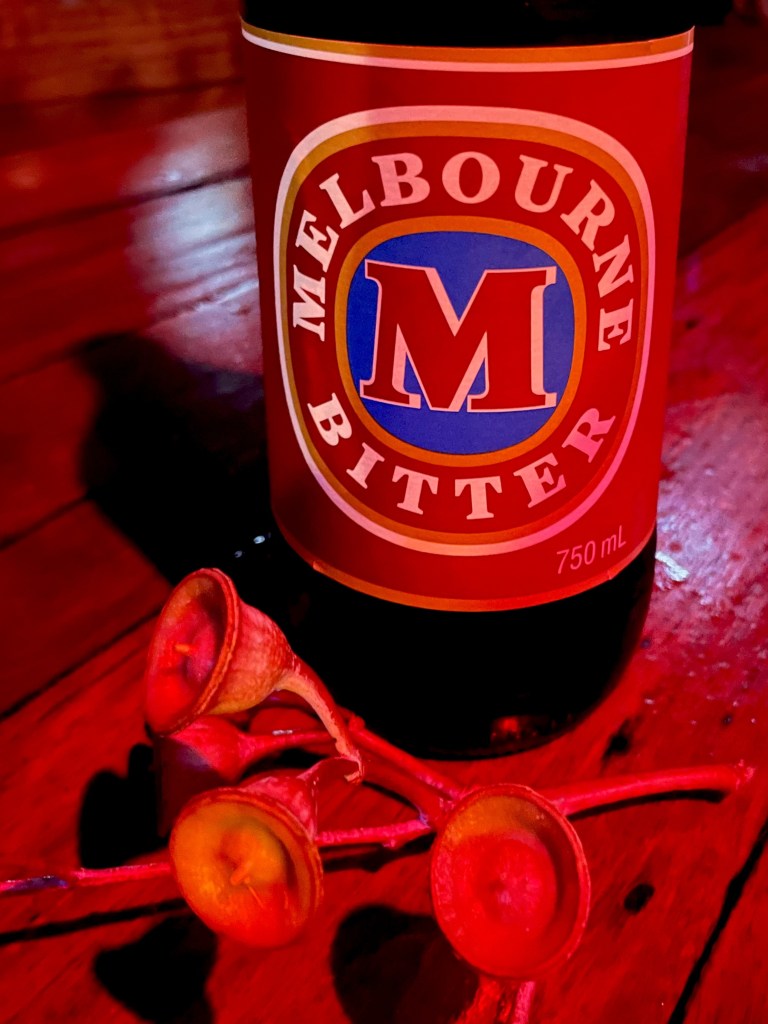
The photo above was taken on Saturday 12 October 2024 at 2.07am…
Not at The Espy, not The Prince, not The Fifth, not The Cross, not The Bowlo, not The Village Belle, not Freddie’s, not George Lane, not Chronicles, not The Newmarket (now closed), not Milk The Cow (now closed), not Fitzrovia (now closed), not Bunny (now closed), not Veludo (long closed), not The Saint/Saint George (still open?), not Tolarno (still closed?), not 29th Apartment, not Loud Mouth, not Dog’s Bar, not Lost On Barkly but at…
The Vineyard.
The Vineyard is indeed “the last dark heart of St Kilda,” having kept its lights on every single day and night of the year to keep a local nocturnal community safe if not sane to the wee hours. Open daily until 3am.
Ah! Melbourne
Glimpses of Beauty on a Sunday afternoon in Melbourne
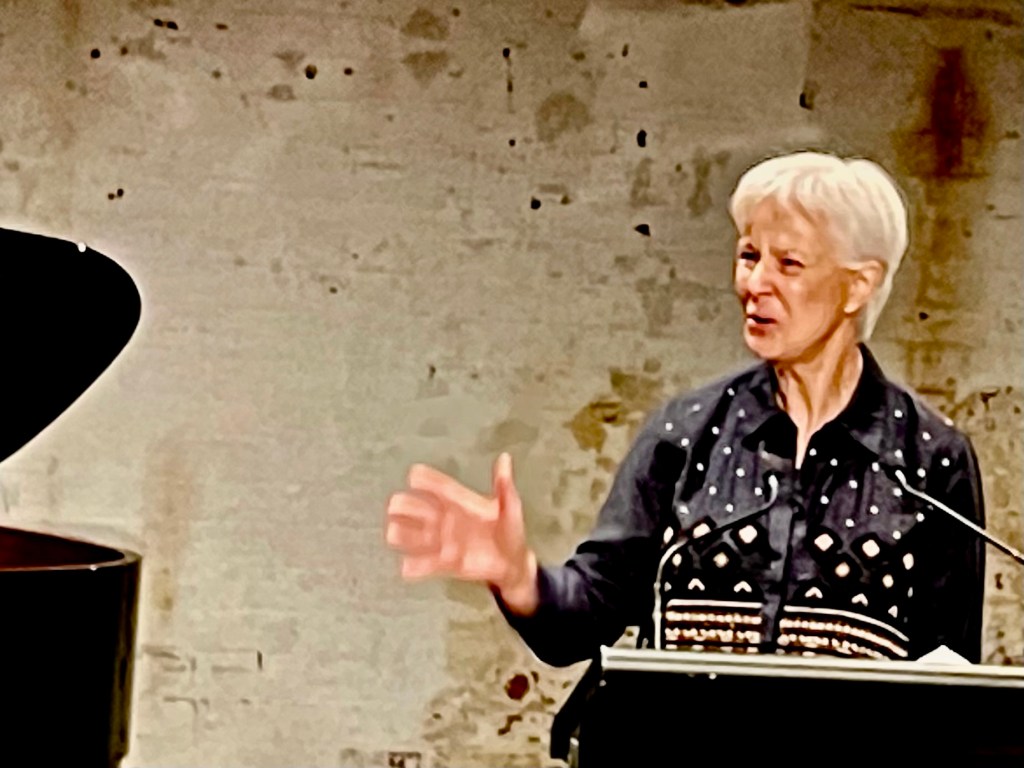
An Open Book
It’s all about Barry, yet not only.
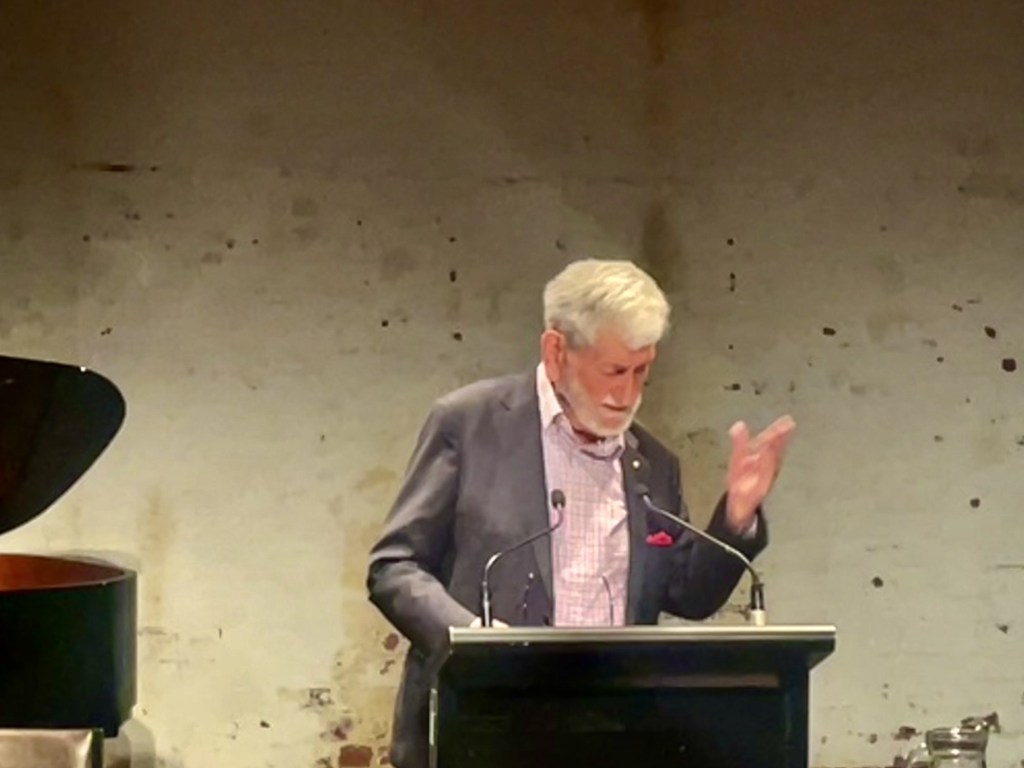
A gathering at fortyfivedownstairs for
—Barry Jones’ 92nd birthday—
Acknowledgement and introduction
by Peter Griffin
Selected pieces of poetry and music:
–Peter Doherty–
C.V. Cavafy – Waiting for the Barbarians
Brian Billston – Today’s Climate Forecast
–Jillian Murray–
Anne Stevenson – A Compensation of Sorts
Anne Stevenson – As the Past Passes [replaced with…]
–John Stanton–
A D Hope – The Death of a Bird
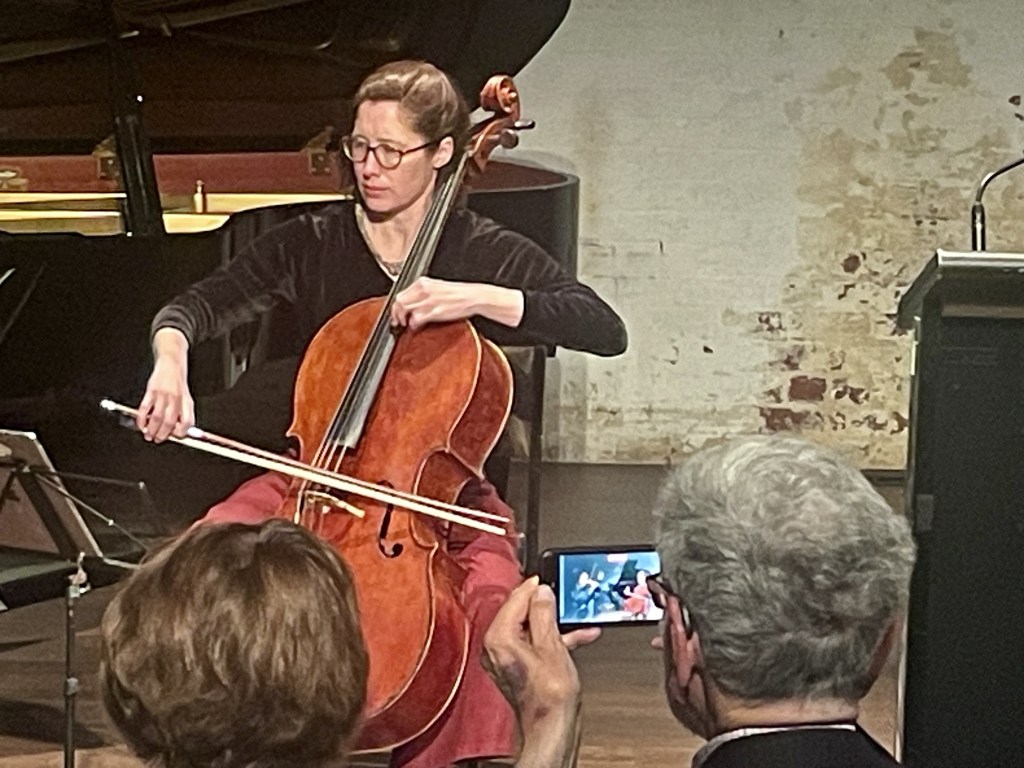
–Firebird Trio–
Benjamin Martin, piano
Sophia Kirsanova, guest violin
Josephine Vains, cello
Maria Grenfell – Bitter Tears piano trio
–Max Gillies–
Jack Hibberd – Sweet River
Jack Hibberd – Water
–Warwick Hadfield–
Anthony Lawrence – Cricket
Peter Porter – Phar Lap at the Melbourne Museum
Bruce Dawe – Life Cycle
–Helen Morse–
Robbie Burns – My Heart’s In The Highlands
Alice Oswald – Dunt: a poem for a dried up river
–Paul English–
Matthew Arnold – Dover Beach
Peter Porter – Seahorses
–Josephine Vains, cello–
J.S. Bach – Gigue from Suite VI in D major BWV1012
–Rachel Faggetter–
William Shakespeare – Fidele
Emily Dickinson – Because I could not stop for Death
–Shane Maloney–
John Clarke – A Child’s Christmas in Warmambool
Refaat Alareer – If I must die
–Barry Jones–
John Donne – A Valediction: Forbidden [Forbidding] Mourning
Yevgeny Yevtushenko – Career
John Clarke – A Child’s Christmas in Warmambool
At her source among competing alps
she tentacles and zigzags,
a silver trickle in the sunlight,
between upholstered moss and whipped grass,
across laminated schist,
over flattened pebbles.
Occasionally, surprised, she plummets,
gurgles in a deep green pool
(where graylings, tadpoles, flit)
or bounces, sparkling,
off basalt and granite.
Abandoning lichen, bracken,
our stream is greeted by ferns, reeds,
riparian blooms:
yellow, lilac, plum, cerise, vanilla..
investing her royal blue.
Now broadening, and deepening,
the flow becomes less swift,
but potent enough
to powder sandstone, limestone,
splinter toppled trees.
Then, among alluvial plains,
old willows weep, and pollens
from pasture grasses talcum her skin.
In anabranches plump trout pretend to doze,
while crays cakewalk,
out for carrion.
At dawn, gorillas, peacocks, mammoths,
unicorns, approach to drink
and watch kingfishers dive for fish.
By noon, serenity and silence govern:
nature’s siesta.
Now a giantess,
no stream, no river, but an estuary
where her vast waters disembogue –
unless confronted by a moon –
empowered sea’s attacking tide.
Customarily, however,
she transports nutrients
and maternally feeds the tiniest
and lowest specimens of an oceanic food chain,
contributing to a world that is elemental,
natural, selective, scrupulous,
if vulnerable and naive –
before the descent of man.
فال بد أن تعيش أنت
رفعت العرعير
إذا كان لا بد أن أموت
فال بد أن تعيش أنت
لتروي حكايتي
لتبيع أشيائي
وتشتري قطعة قماش
وخيوطا
(فلتكن بيضاء وبذيل طويل)
كي يبصر طفل في مكان ما من ّغّزة
وهو يح ّّدق في السماء
منتظرًاً أباه الذي رحل فجأة
دون أن يودع أحدًاً
وال حتى لحمه
أو ذاته
يبصر الطائرة الورقّية
طائرتي الورقية التي صنعَتها أنت
تحّلق في الأعالي
ويظ ّّن للحظة أن هناك مالكًاً
يعيد الحب
إذا كان لا بد أن أموت
فليأ ِِت موتي باألمل
فليصبح حكاية
ترجمة سنان أنطون
If I Must Die
Refaat Alareer
(Translation Sinan Antoon)
If I must die,
you must live
to tell my story
to sell my things
to buy a piece of cloth
and some strings,
(make it white with a long tail)
so that a child, somewhere in Gaza
while looking heaven in the eye
awaiting his dad who left in a blaze—
and bid no one farewell
not even to his flesh
not even to himself—
sees the kite, my kite you made, flying up above
and thinks for a moment an angel is there
bringing back love
If I must die
let it bring hope
let it be a tale

Barry Jones (1998)
Tristan Humphries
National Portrait Gallery
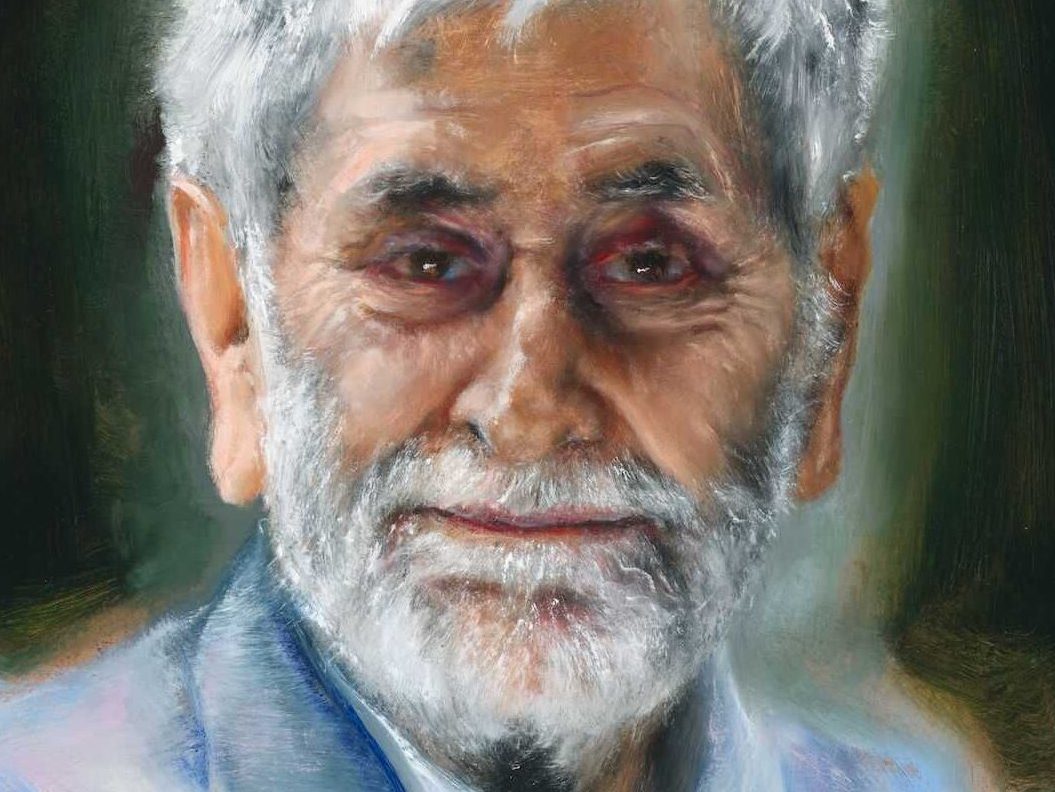
Barry Jones (2020)
Louise Hearman
National Portrait Gallery
“Barry Jones AC (b. 1932) is a politician, lawyer and writer. He was educated at the University of Melbourne and worked as a public servant and high school teacher before rising to fame as Australia’s Quiz champion from 1960 to 1968. He became the country’s first talk-back radio host, then lectured in History at La Trobe University before becoming a State Labor MP in 1972. Throughout the 1970s he took a leading role in reviving the Australian film industry. He entered federal parliament in 1977 as the member for Labor; between 1983 and 1990 he held the portfolios of Science, Prices and Consumer Affairs, Small Business and Customs. He was a member of the executive board of UNESCO in Paris from 1991 to 1995, was National President of the Australian Labor Party from 1992 to 2000, Vice President of the World Heritage Committee from 1995 to 1996, and was Deputy Chairman of the Constitutional Convention in 1998. Jones has written a number of influential books, of which the best known are the international best-seller Sleepers, Wake!: Technology and the Future of Work, and the Dictionary of World Biography
“In 1993 Jones was recognised as an Officer of the Order of Australia for his services to the promotion of science, the arts and film, writing and Australian politics, in 1998 he became a National Living Treasure; and in 2014 he was made a Companion of the Order of Australia.”—National Portrait Gallery

Where Land Speaks – Across The Top End
Terry Swann
fortyfivedownstairs


Clever Men
Harry Tjutjuna
Dickie Minyintiri
Tiger Palpatja
D’Lan Contemporary

“Elliot was born in Berwick, Victoria, and raised in the Australian outback on a prawn farm by his father, Noel, a retired acrobatic clown, and his mother Valerie, a hairdresser; he has three siblings, Samantha, Luke and Joshua. After the farm went bankrupt, Elliot’s father moved the family to the city of Melbourne, where he bought a small hardware shop.
“A very shy child, Elliot was very creative and was constantly drawing and making things out of found objects. He attended the Pinewood Primary State School in the suburb of Mount Waverley and then Haileybury College, Keysborough, where he was proficient at Art, English literature, Photography, Drawing and Sculpture.”—Wikipedia
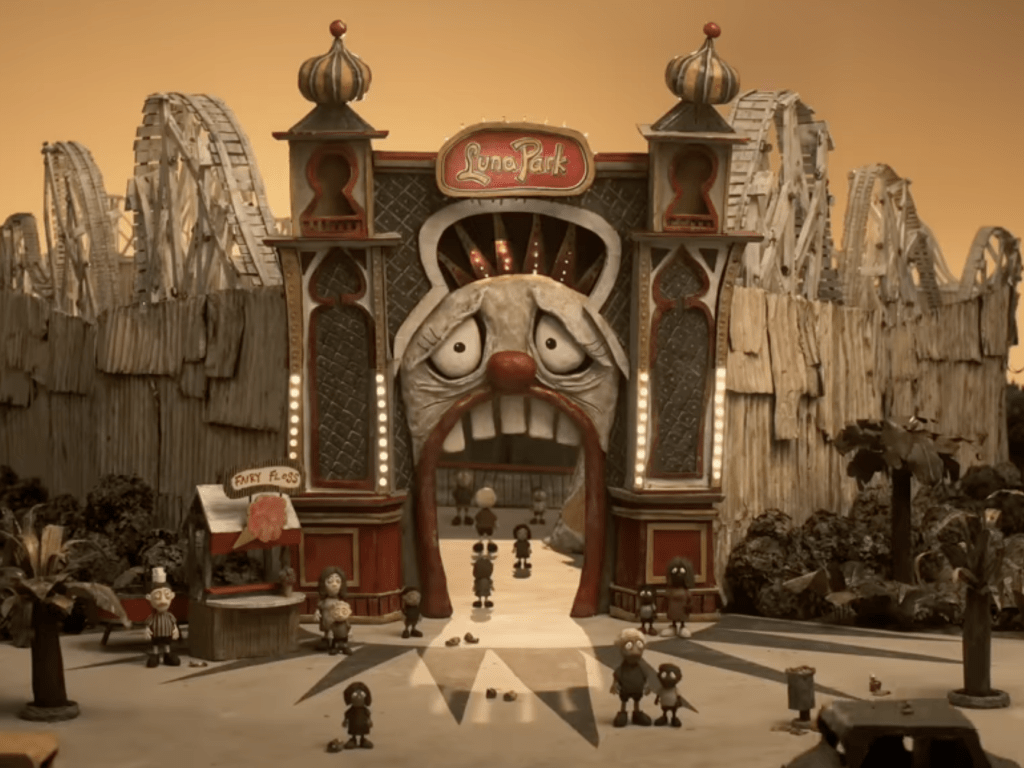
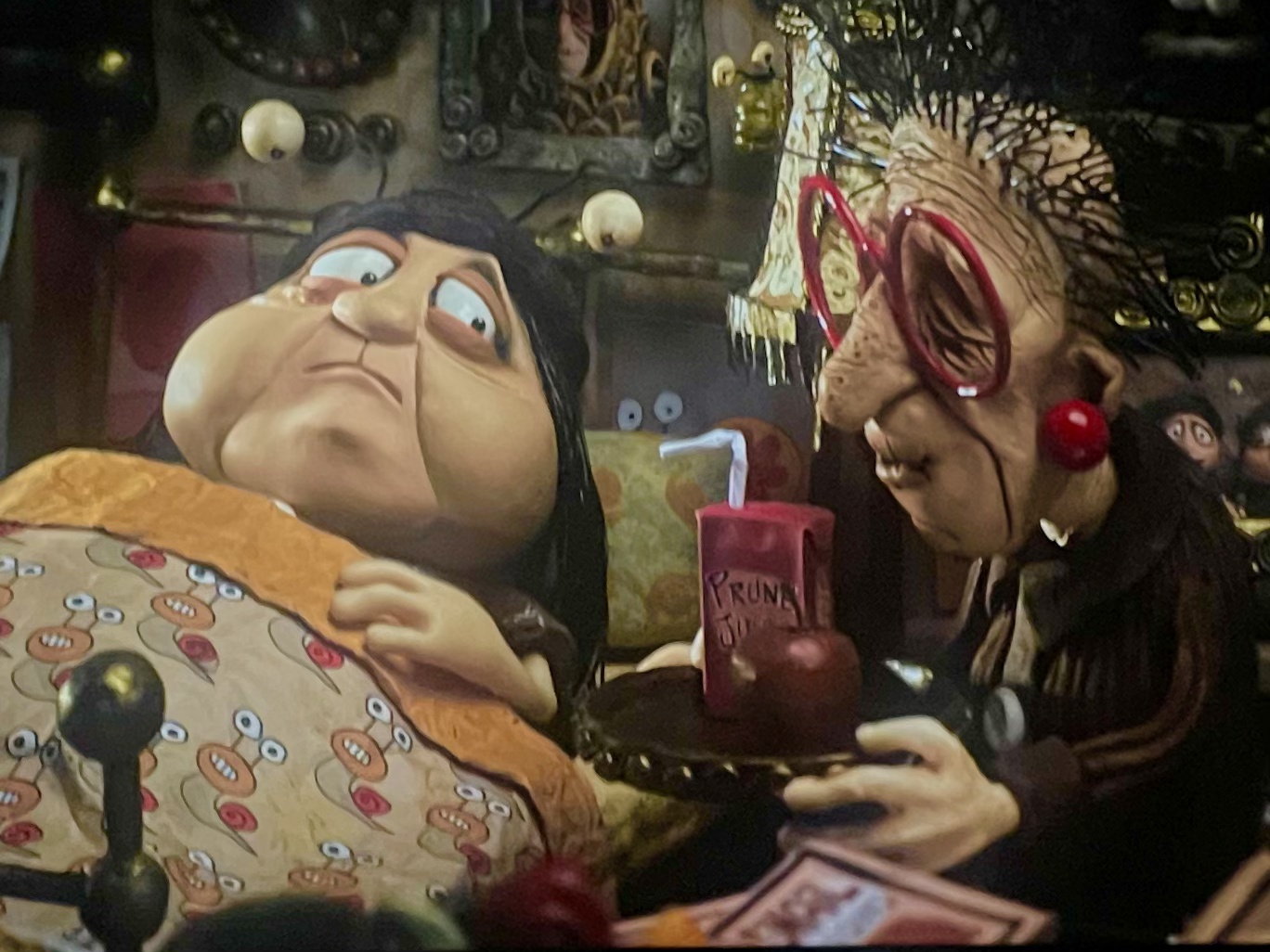
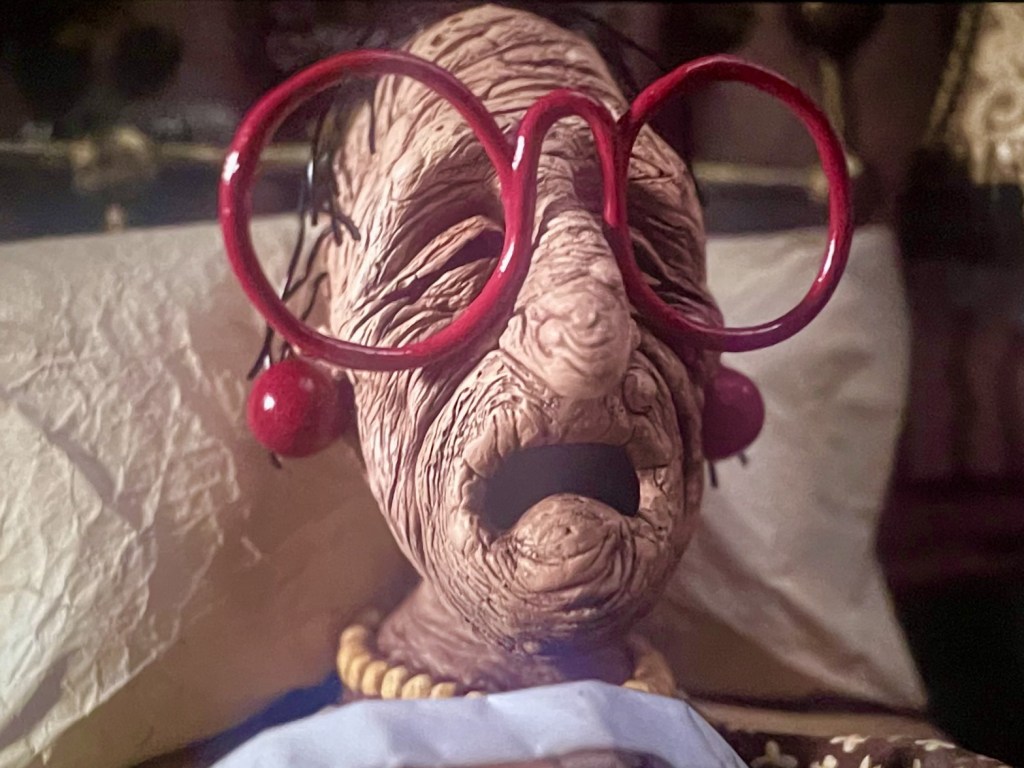
Hursto’s Five Minute Films (20 Oct 2024): 4.5/5 wholeheartedly recommended
“Grace Pudel has suffered a traumatic childhood. Her mother died giving birth to her and twin Gilbert, her father became a drunk and paraplegic, and when he dies she is separated from her beloved brother and put into foster care. Grace becomes a hoarder, collecting every kind of thing to do with snails. Her loneliness and anxiety threaten to destroy her until she meets an old lady, Pinky, whose optimism keeps Grace afloat.
“Fifteen years ago I saw a sublime claymation film, Mary And Max, which won the top award at the world’s biggest festival for animation (Annecy). Now Elliot has won this award again. Technically it’s a labor of love – absolutely no digital effects, everything made of paper, paint, clay and water by 20 artisans working for almost a year. Using stop motion, every single movement (310,000 of them!) is shot, and the film boasts almost 7000 individual items.
“The story itself is a heart wrencher, sourced from so many inspirations in the director’s life. He incorporates pathos, tragedy, humour, love, issues around hoarding, along with day-to-day uniquely Aussie things, to make us feel deeply for the sad little character with the hare lip, who narrates her life story to a snail called Sylvia. Elliot acquired a memorable cast for voicing the characters, chief among them Sarah Snook as Grace, Kodi Smit-McPhee as Gilbert, Jackie Weaver as Pinky, along with Eric Bana, Magda Szubanski and Tony Armstrong in other roles. The film has so much truth, warmth and boundless creativity; it really is a total delight. P.S. It’s not a kid’s film!”—Hursto | blogspot.com


French Air in Melbourne
Nicolas Godin & Jean-Benoît Dunckel are Always Live
Always Live Has Added Air Playing ‘Moon Safari’ in Full to Its Already Jam-Packed 2024 Lineup | Concrete Playground | Sarah Ward (8 November 2024)
[Media above Concrete Playground Online]
“When you make an album that lasts the test of time, that feat is worth celebrating. Moon Safari isn’t the only record from French electro-pop duo Air that’s as stellar now as it was when it first met the world, but the dreamy 1998 release is the album that Nicolas Godin and Jean-Benoît Dunckel have been celebrating in 2024. To mark its 25th anniversary, which arrived last year, the pair have been touring the globe to play Moon Safari in full live — starting in France, of course, but also heading everywhere from Switzerland, Italy, Germany and the UK to the US and Australia.”—Concrete Playground
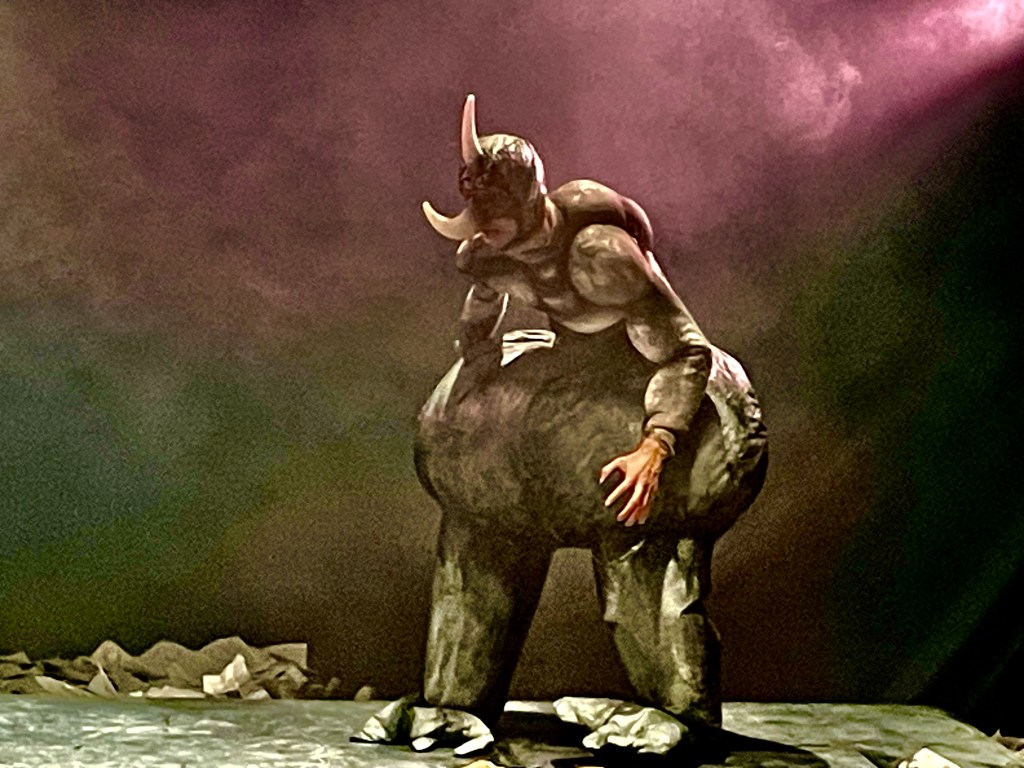
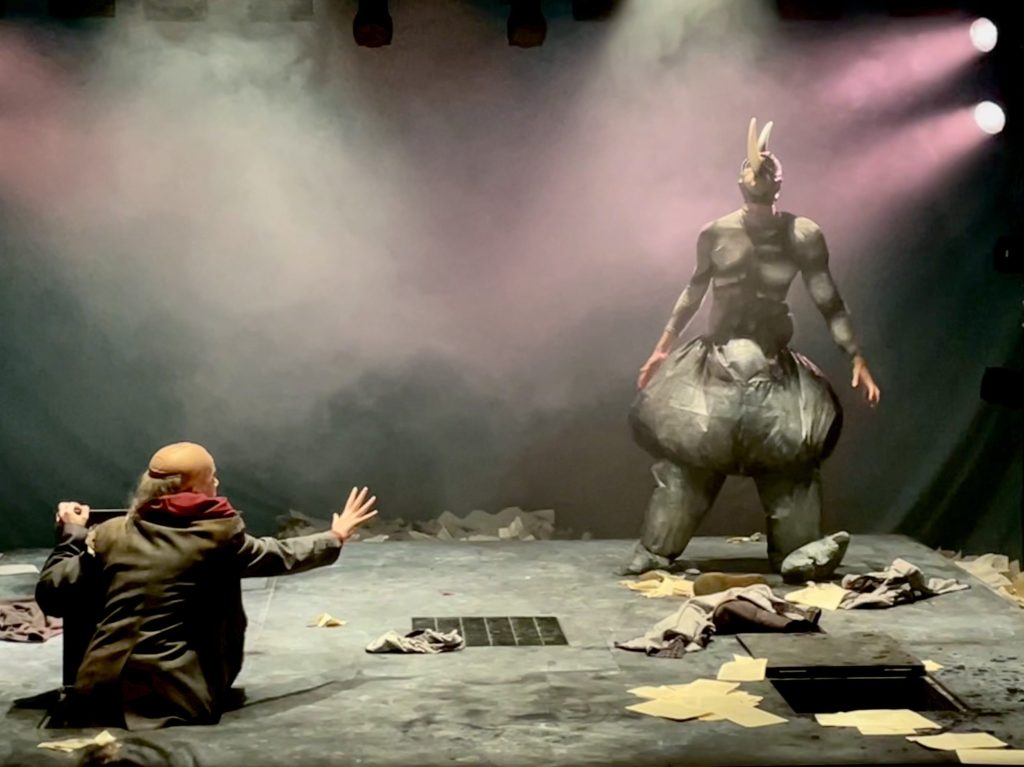
Rhinoceros (1959) by Eugène Ionesco
A play in three acts in a new version by Zinnie Harris
Presented by Spinning Plates Co.
fortyfivedownstairs
31 Oct to 17 Nov 2024
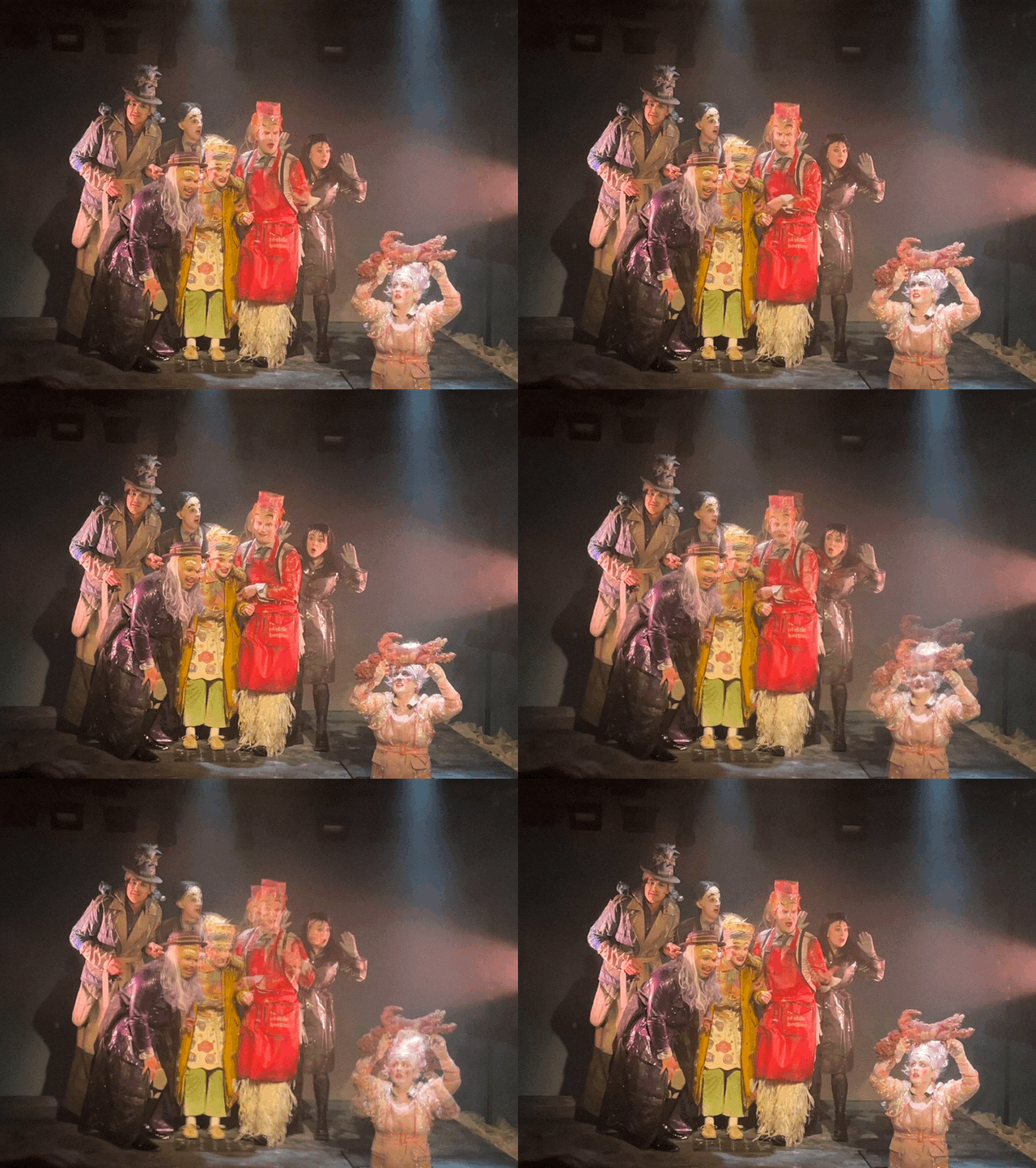


RHINOCEROS | THE DIGITAL PROGRAM
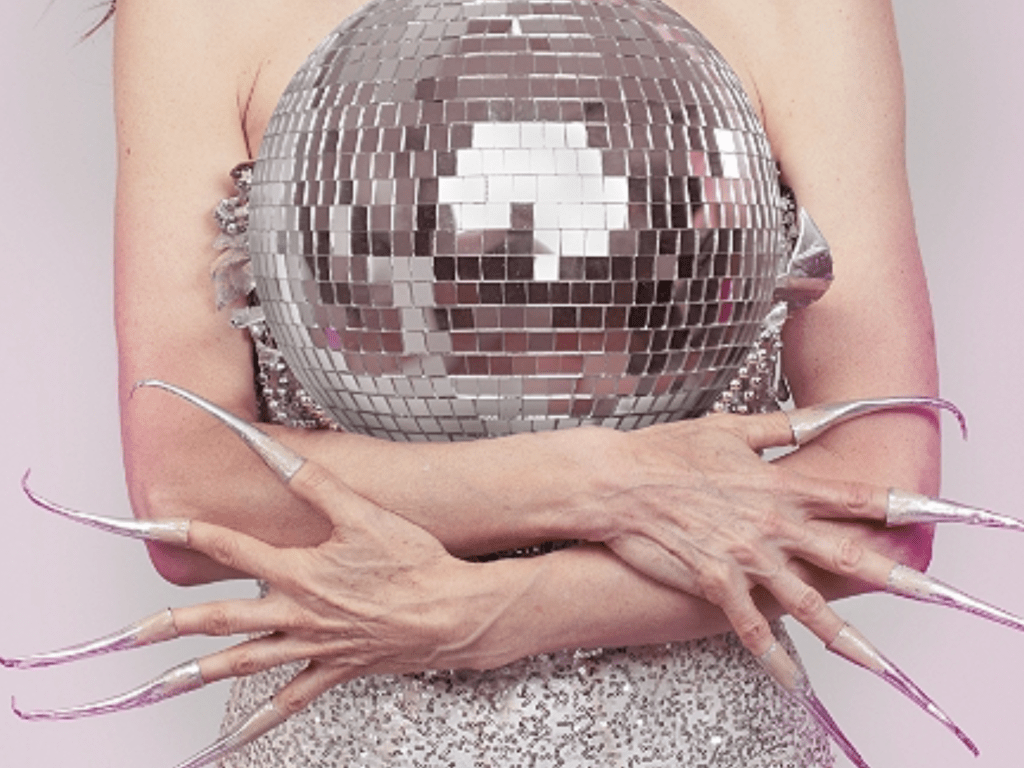
Mad Moira
Melbourne Fringe | Finucane & Smith’s Global Smash Club, 16–19 October 2024, Trades Hall. The Burlesque Hour turns 20! “Twenty years after Burlesque Hour rampaged into life and burnt cabaret to the ground, toured 18 countries, won 13 awards and rave reviews in 9 languages, the diehard divas are back! Living legends ripping off their own legacy in a club night of fabled acts and what the f*ck was that?!
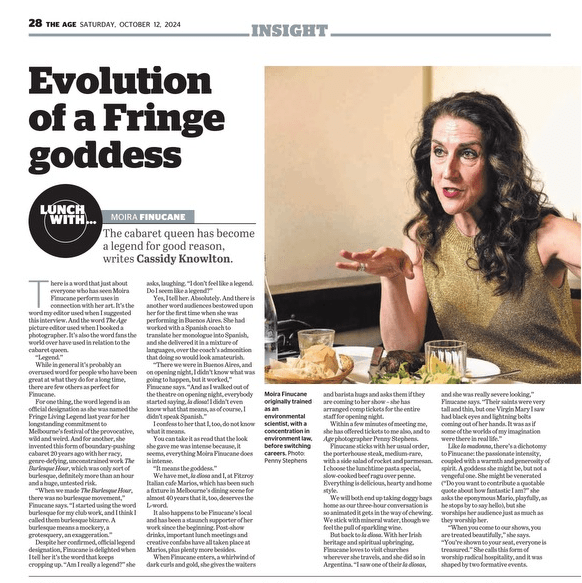

“Moira Finucane. Maude Davey. Yumi Umiumare. Mama Alto. And so much more. Part club. Part happening. Part party. Part transcendent ritual. Part self indulgent crap. All history in the making. Get up, dance or run! Finucane & Smith take over the ETU Ballroom for the last week of Fringe in an unmissable legendary future-spective.”
Instructions for laptop and desktop users
for maximum viewing pleasure:
1. Play Keating first.
2. Play Global Smash Club
as Keating shoots his now very famous retort
“Because mate, I want to do you slowly.”
3. See how you go.
Mabo from Mer
“Mabo: Life of an Island Man is a 1997 Australian documentary film on the life of Indigenous Australian land rights campaigner Eddie Koiki Mabo, directed by Trevor Graham. It was awarded Best Documentary at the Australian Film Institute Awards and the Sydney Film Festival. It also received the Script Writing Award at the New South Wales Premier’s Literary Awards.”–Wikipedia
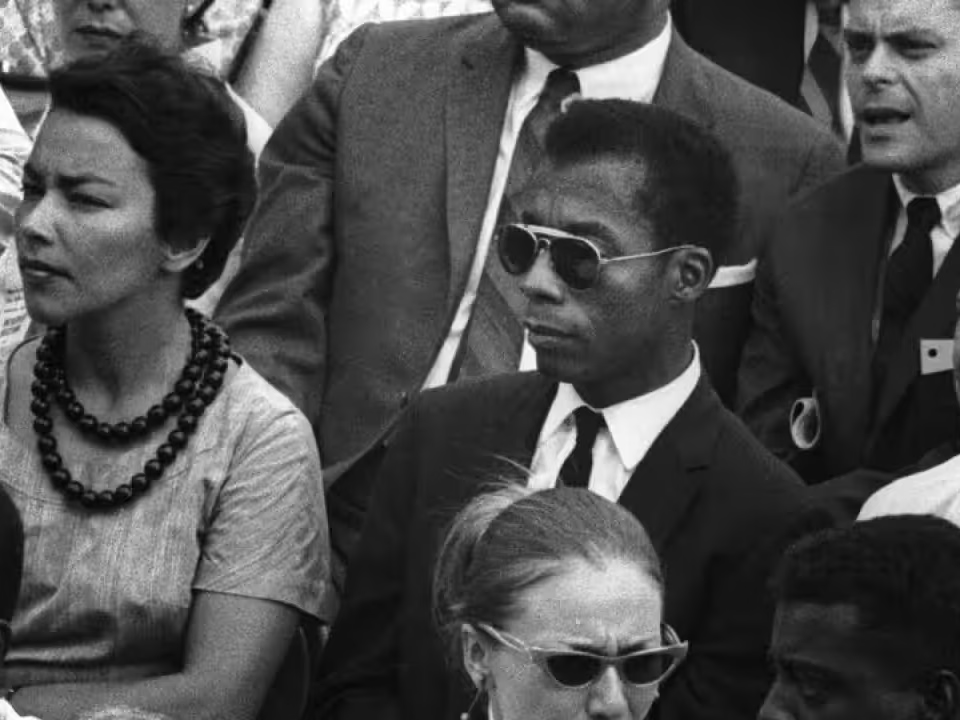
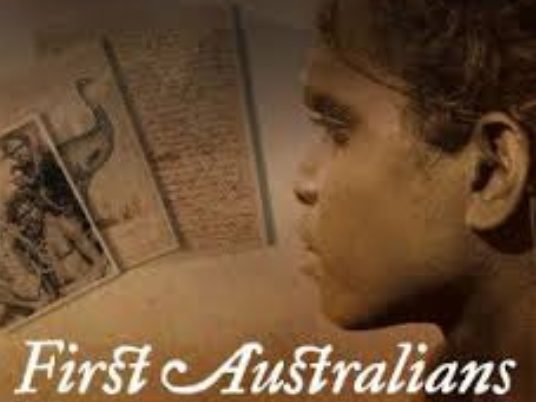
“In making First Australians it has been common for many to ask why hasn’t this story been told? The truth is these stories have been told, at least in print, by the historians we feature in our series. There is more being written all the time and there is a substantial body of work to be found in good libraries if you have the interest. Although First Australians cannot hope to be as comprehensive as the work of these historians, it will provide the public (in the comfort of their own homes), a taste of the story that remains to be understood. Hopefully it will spark national interest in the people on whose lands we have made our homes.”
–Rachel Perkins Director/Writer/Producer

“Rabbit-Proof Fence is a 2002 Australian epic drama film directed and produced by Phillip Noyce. It was based on the 1996 book Follow the Rabbit-Proof Fence by Doris Pilkington Garimara, an Aboriginal Australian author. It is loosely based on the author’s mother Molly Craig, aunt Daisy Kadibil, and cousin Gracie, who escaped from the Moore River Native Settlement, north of Perth, Western Australia, to return to their Aboriginal families. They had been removed from their families and placed there in 1931.”–Wikipedia
Baker Boy x Blaktivism, Always Live, Friday 22 November 2024 7pm, Hamer Hall, Arts Centre Melbourne
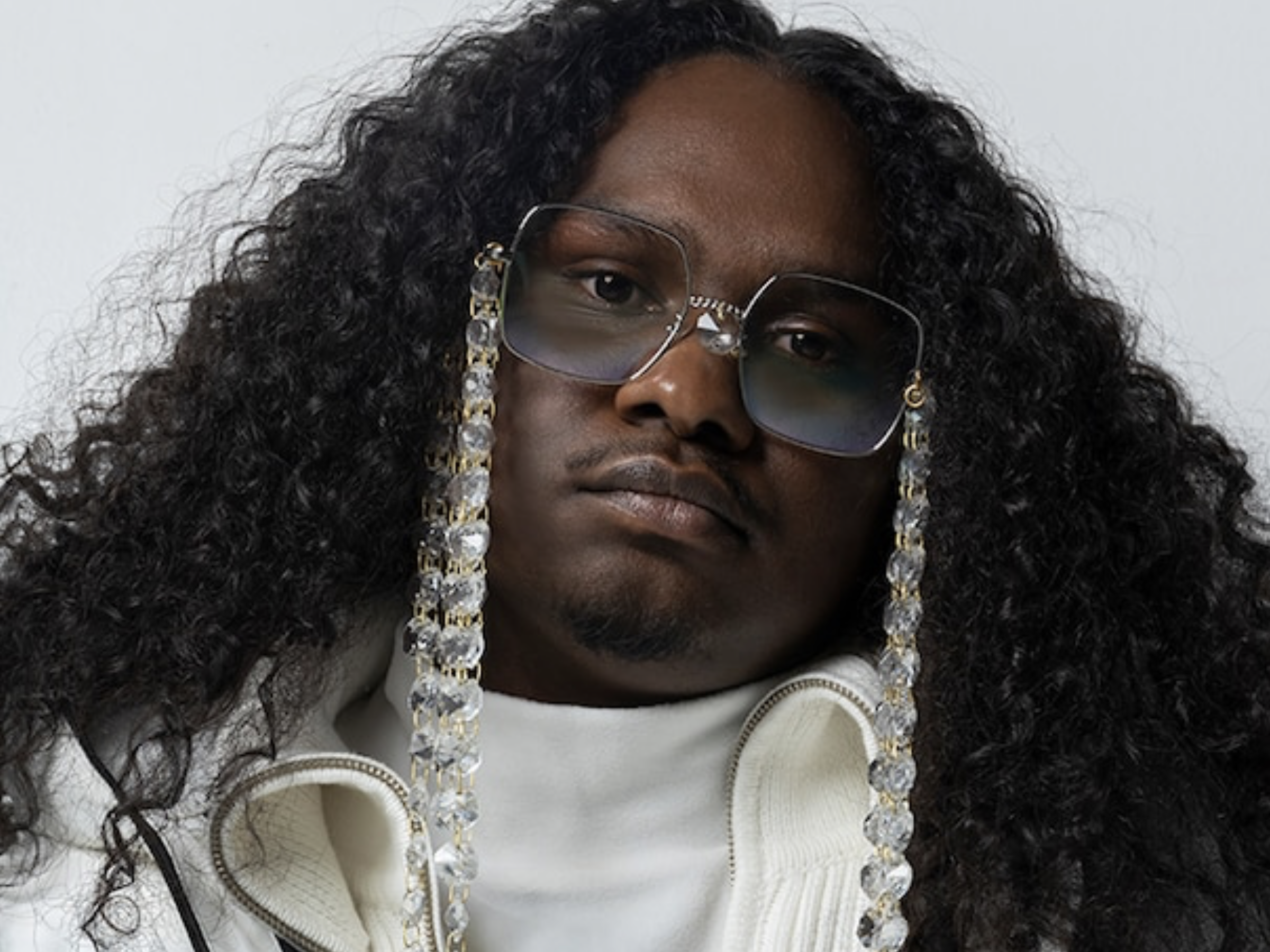
“From stealing the show at the 2021 AFL Grand Final to being awarded the Order of Australia, Baker Boy has become such a celebrated and recognisable presence in the Australian music landscape that it’s almost easy to forget what a cultural phenomenon he is. He’s a trailblazer with over 30 awards in the trophy cabinet. A young’un raised in the remote Arnhem Land communities of Milingimbi and Maningrida, Baker Boy has already shattered boundaries and preconceptions for his mob with his festive homegrown hip hop. Rapping in both Yolngu Matha and English, he’s actively keeping Indigenous culture surviving and thriving.”
“Baker Boy, born Danzal James Baker on 10 October 1996, in Darwin, Northern Territory, is a Yolngu rapper, dancer, artist, and actor. He grew up in the Arnhem Land communities of Milingimbi and Maningrida. He has one brother. His totem is the Olive python, his moiety is Dhuwa and his skin name is Burralung/Gela boy.
“Baker Boy is known for performing original hip-hop songs incorporating both English and Yolŋu Matha and is one of the most prominent Aboriginal Australian rappers. His debut album, Gela, was released on 15 October 2021.
“He was made Young Australian of the Year in 2019.”–Wikipedia
PLACE. Hamer Hall, Arts Centre Melbourne
“Hamer Hall, a 2,466-seat hall, the largest indoor venue at the Arts Centre Melbourne, is mostly used for orchestral and contemporary music performances. It was designed by Roy Grounds as part of the cultural centre which comprised the National Gallery of Victoria and the Arts Centre Melbourne. It was opened as the Melbourne Concert Hall in 1982 (the theatres building opened in 1984) and was renamed Hamer Hall in honour of Victorian Premier Sir Rupert Hamer shortly after his death in 2004.”–Wikipedia
PLACENAME. Hamer Hall, from/after Rupert Hamer
“Sir Rupert James Hamer, AC, KCMG, ED (29 July 1916 – 23 March 2004), also known as Dick Hamer, was an Australian politician who served as the 39th premier of Victoria from 1972 to 1981, and prior to that, the 18th deputy premier of Victoria from 1971 to 1972. He held office as the leader of the Victorian division of the Liberal Party of Australia (LPA) and a member of the Victorian Legislative Assembly (MLA) for the division of Kew.”–Wikipedia

 MUSIC. ART. LIFE.